


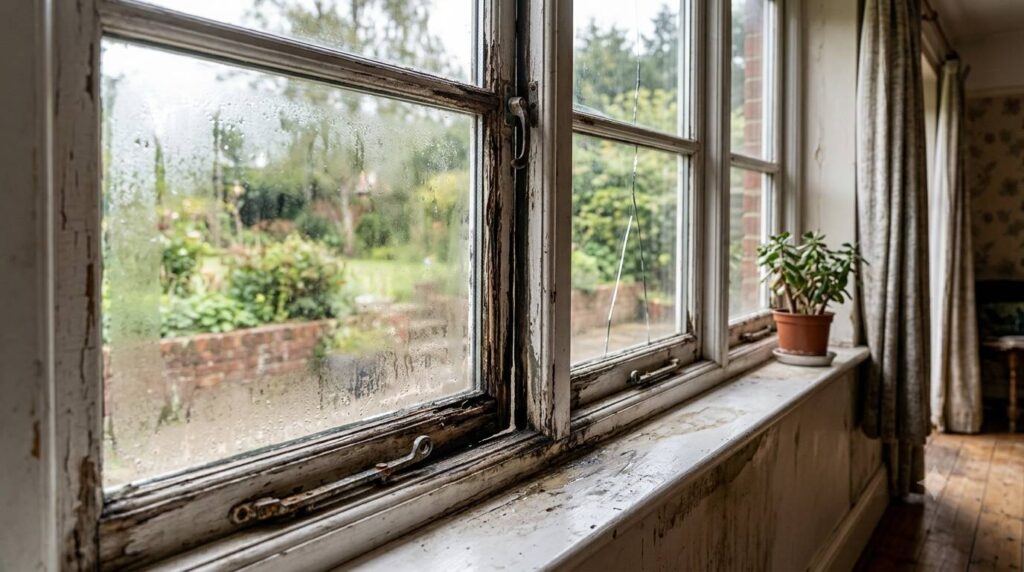
Windows contribute to the comfort, security, appearance, and energy performance of a home. Over time, however, seals can weaken, frames may deteriorate, and glazing can lose some of its effectiveness. These problems often develop gradually, so homeowners may not immediately notice how much older windows are affecting everyday comfort.
When several issues begin appearing together, clearwater window replacement may be worth considering rather than continuing with repeated minor repairs. Draughts, difficult operation, moisture between panes, damaged frames, and noticeable temperature changes can all suggest that a window is no longer performing as effectively as it should.
Persistent Draughts Around the Frame
One of the most common signs of an ageing window is a draught around the edges. Weather seals can crack, shrink, or loosen, while frames may shift slightly over time. These small gaps allow outside air to enter and conditioned indoor air to escape, which can make rooms less comfortable.
If draughts continue despite reasonable maintenance, clearwater window replacement may provide a more practical long-term solution. A professional inspection can determine whether the issue is limited to worn seals or whether deterioration in the frame, glazing, or installation makes complete replacement more appropriate.
Condensation Between Glass Panes
Condensation on the inside surface of a window can sometimes be linked to indoor humidity. Moisture trapped between panes of double or triple glazing is different because it often indicates that the sealed glazing unit has failed. The window may then develop a cloudy or misted appearance that cannot be cleaned from either side.
A failed seal can also reduce the insulating performance of the glazing. In some situations, replacing the sealed glass unit may solve the problem. However, if the frame and hardware are also worn or damaged, replacing the entire window may offer a more complete solution.
Windows Become Difficult to Open or Close
Windows should normally open, close, and lock without excessive force. Sticking, jamming, or difficulty securing the lock may result from worn hinges, damaged handles, frame movement, or distorted materials. Timber frames can also swell when exposed to moisture, while other materials may become misaligned with age.
Minor operating problems can sometimes be corrected through adjustment or replacement hardware. However, recurring faults can affect ventilation, security, and weather protection. If several components are failing at once, it may be more sensible to consider replacement rather than continuing to repair individual parts.
Visible Damage to Frames
Window frames are constantly exposed to changing temperatures, sunlight, moisture, and everyday use. Depending on the material, homeowners may notice cracking, warping, corrosion, soft timber, peeling finishes, or gaps around joints. Damage that appears minor at first can gradually affect the window’s ability to close and seal correctly.
Surface damage may sometimes be repaired if the underlying structure remains sound. More extensive deterioration is different, especially where moisture has weakened the frame or gaps have developed around the opening. Persistent or spreading damage is a strong reason to have the window professionally assessed.
Water Leaks and Damp Marks
Water around a window should never be ignored. Staining, peeling paint, damp plaster, or moisture near the frame can indicate damaged seals, poor exterior sealing, drainage problems, or deterioration in the surrounding structure. Leaving the issue unresolved may allow moisture to affect nearby materials.
It is important to identify the true source before assuming that replacement is necessary. Sometimes the window itself is still sound and the problem lies with the surrounding sealant or building fabric. Where the frame or glazing system is responsible, however, replacement may provide more reliable weather protection.
Increased Noise From Outside
Older windows may gradually allow more outside noise into a home. Traffic, neighbours, and general street sounds can become more noticeable when seals deteriorate or gaps develop around ageing frames. This may be particularly obvious in rooms facing busy roads or frequently used outdoor areas.
Replacing worn seals may improve the situation when the window remains structurally sound. If glazing is outdated or the frame no longer closes tightly, replacement windows with better sealing and suitable glazing can provide improved sound reduction as well as greater comfort.
Uneven Indoor Temperatures
A room that feels much colder in winter or hotter in summer may be affected by ageing windows. Poor seals and older glazing can allow unwanted heat transfer, creating uncomfortable areas near the window even when heating or cooling systems are operating normally.
Windows are not the only factor affecting indoor temperatures, so insulation, ventilation, and heating or cooling equipment should also be considered. However, when temperature problems occur alongside draughts, damaged seals, or failed glazing, the condition of the windows deserves closer attention.
Closing Thoughts
Common window problems such as draughts, failed seals, damaged frames, water leaks, difficult operation, increased noise, and uneven temperatures can all indicate that older windows are beginning to lose performance. Some faults can be repaired, but repeated issues may make replacement a more practical option.
Regular checks can help homeowners identify deterioration before it becomes more disruptive. When several warning signs appear together, a professional assessment can clarify whether repair remains worthwhile or whether replacing the affected windows is the better long-term choice.