


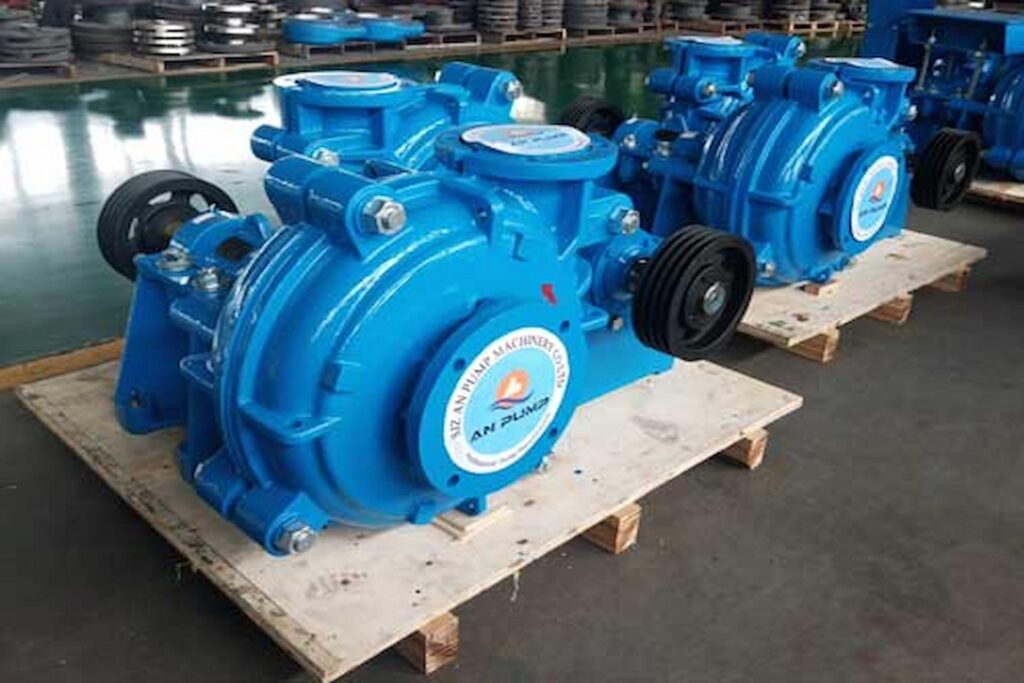
In high-abrasion industries, such as mining, dredging, and mineral processing, equipment is subjected to constant wear and tear. Pumps are among the hardest-hit machinery. Abrasive materials such as gravel, slurry, or sharp minerals quickly erode unprotected components. This is where heavy-duty pump liners come in.
High-abrasion environments are harsh. They wear down machinery fast. That’s why heavy-duty pump liners are crucial in maintaining the safety and functionality of your equipment. In this article, we break down how these liners work, what makes them strong, and how key components, such as cone crusher liners and throat bushings, play a critical role.
Pump liners act as protective barriers. They shield internal parts from abrasive damage, helping equipment last longer and perform better. Selecting the right liner can minimise downtime, lower maintenance costs, and enhance overall productivity.
What Are Heavy-Duty Pump Liners?
Heavy-duty pump liners are tough inserts placed inside pump casings. Their job is to absorb the brunt of abrasive impact. When materials like sand or ore flow through a pump, the liner protects the actual pump body.
These liners are made from high-strength materials, including rubber, metal alloys, and composite compounds. Their shape and thickness depend on the type of pump and the specific application.
Key Functions of Pump Liners
1. Wear Protection
- They absorb abrasive impacts.
- They protect pump components, such as casings and impellers.
- They reduce damage during continuous operation.
2. Longevity and Efficiency
- Liners help pumps last longer.
- They keep pumps running at optimal capacity.
- They reduce the frequency of replacements.
3. Cost-Effectiveness
- Fewer breakdowns mean lower maintenance costs.
- Improved durability leads to better return on investment.
- Reduces unplanned shutdowns and labour costs.
Materials Used in High-Abrasion Pump Liners
To survive tough environments, liners are built from high-performance materials. Some common options are:
1. Rubber Liners
- Best for absorbing shock from coarse particles.
- Ideal for slurry pumping and sand handling.
2. Metal Liners
- Made from alloys like chrome or stainless steel.
- Resist sharp, cutting abrasion and high temperatures.
3. Polyurethane Liners
- Offer flexibility and strength.
- Good for mid-range abrasion environments.
4. Ceramic Liners
- Extremely hard and wear-resistant.
- Used in critical high-wear zones.
Each material suits a specific environment. Choosing the wrong one may reduce performance or damage other parts of the pump.
Role of Cone Crusher Liners in Abrasive Systems
While not a pump liner itself, the cone crusher liner plays a vital role in upstream operations where material size is reduced before being pumped. These liners sit inside cone crushers and crush materials into smaller pieces.
Why it matters:
- If a cone crusher liner fails, it allows oversized or uneven material to enter the pump.
- This can increase liner wear and reduce pump efficiency.
- Proper maintenance of cone crusher liners supports smoother pump operations downstream.
Additionally, cone crusher liners are made of tough alloys and must be replaced regularly based on wear patterns.
Understanding the Throat Bush: A Key Component
The throat bush is another essential part of high-abrasion pump systems. It is located where the shaft passes through the liner and casing. It often faces direct contact with slurry or abrasive flow.
Here’s why it matters:
- It protects the shaft from wear.
- It keeps the seal area intact.
- A damaged throat bush can cause leakage or shaft misalignment.
Materials for throat bushes include hardened steel, ceramics, or composite alloys. Regular inspection is key to ensure it remains functional.
Signs You Need to Replace Your Pump Liner
Over time, all liners wear out. Here are the most common signs:
- Drop in pump pressure or flow rate
- Visible cracks or thinning in the liner
- Increase in vibration or noise
- Frequent clogging or blockages
Replacing worn liners early prevents major breakdowns and avoids damage to surrounding components, such as the throat bush or the impeller.
Maintenance Tips to Extend Liner Life
Proper care can double the lifespan of your pump liners. Here’s how:
- Routine Inspections – Look for early signs of wear and tear.
- Scheduled Replacement – Don’t wait for a failure to occur.
- Keep Components Clean – Dirt buildup can cause pressure drops.
- Use Flow Modifiers – Reduce particle velocity at impact points.
Additionally, inspecting the throat bush and cone crusher liner during downtime ensures the entire system works efficiently.
Conclusion
Heavy-duty pump liners are essential in high-abrasion environments. Whether it’s sand, slurry, or sharp rocks, your pump system is constantly under attack. With the right liner, your equipment gets a second skin—strong, reliable, and built to last.
Components such as the cone crusher liner and throat bush also play key roles in maintaining the system’s smooth and secure operation. Neglecting them means risking major failures and expensive downtime.
Ultimately, smart investment in pump liners pays off. It saves money, improves safety, and boosts efficiency. With regular checks and the right materials, your pumps can survive even the harshest working conditions.