


Introduction
Heating and cooling systems work quietly in the background every day, but they have a major impact on comfort, indoor air quality, and monthly utility costs. When HVAC systems are neglected, they often become less efficient, struggle to maintain temperatures, and wear out faster than expected. Small maintenance habits can make a noticeable difference in both system performance and long-term energy savings.
The good news is that effective HVAC maintenance does not have to feel overwhelming. A few consistent steps throughout the year can help homeowners improve airflow, reduce energy waste, prevent expensive repairs, and create a more comfortable indoor environment in every season.
Why HVAC Maintenance Matters
HVAC systems are one of the hardest-working parts of any home. They run during extreme summer heat, cold winter nights, and everything in between. Over time, dust buildup, clogged filters, blocked vents, and worn components can force the system to work harder than necessary.
Regular maintenance helps:
- Improve heating and cooling efficiency
- Lower monthly energy bills
- Extend equipment lifespan
- Improve indoor air quality
- Reduce unexpected breakdowns
- Maintain more consistent indoor temperatures
Even simple maintenance tasks can reduce strain on the system and improve overall performance.
Change Air Filters Regularly
One of the easiest and most important HVAC maintenance tasks is replacing the air filter. Dirty filters restrict airflow, forcing the system to work harder to circulate air throughout the home.
Most homeowners benefit from changing filters every one to three months, depending on factors such as:
- Pets in the home
- Allergy concerns
- Indoor dust levels
- System usage frequency
- Filter type and thickness
A clean filter supports better airflow, cleaner indoor air, and improved energy efficiency. It also helps protect internal HVAC components from dust buildup.
Keep Vents and Registers Clear
Blocked vents can reduce airflow and create uneven temperatures throughout the home. Furniture, rugs, curtains, and storage boxes sometimes cover vents without homeowners noticing.
Walk through the home occasionally and check that vents remain open and unobstructed. This simple step allows air to move freely and helps the HVAC system maintain balanced temperatures more efficiently.
Clean vents and registers also reduce dust circulation and help rooms feel more comfortable.
Schedule Seasonal HVAC Servicing
Professional HVAC inspections are one of the best ways to catch small issues before they become expensive problems. Seasonal servicing helps ensure the system is prepared for heavy heating or cooling demand.
Spring and autumn are typically ideal times for maintenance appointments because technicians can inspect the system before peak summer or winter usage begins.
Professional servicing often includes:
- Inspecting electrical connections
- Checking refrigerant levels
- Cleaning coils and components
- Testing thermostat accuracy
- Inspecting airflow performance
- Lubricating moving parts
- Identifying worn or damaged components
Routine inspections help systems operate more safely and efficiently throughout the year.
Use Programmable and Smart Thermostats Effectively
Modern thermostats can significantly improve energy efficiency when used correctly. Many homeowners waste energy by maintaining the same temperature all day, even when nobody is home.
Programmable and smart thermostats allow users to create automatic schedules based on daily routines. Small temperature adjustments can produce noticeable energy savings over time.
Helpful thermostat habits include:
- Raising cooling temperatures slightly when away
- Lowering heating temperatures overnight
- Avoiding dramatic temperature swings
- Using consistent scheduling patterns
Smart thermostats can also learn household routines and adjust temperatures automatically for better efficiency.
Improve Airflow Throughout the Home
Poor airflow can make certain rooms feel uncomfortable while increasing strain on the HVAC system. Improving airflow helps the system distribute air more evenly and maintain temperatures more efficiently.
Several factors can affect airflow, including dirty filters, blocked ducts, closed vents, and poor insulation.
Homeowners can improve airflow by:
- Keeping interior doors open when possible
- Cleaning around vents regularly
- Using ceiling fans to circulate air
- Sealing visible duct leaks
- Ensuring attic insulation remains effective
Better airflow often leads to improved comfort and lower energy usage.
Seal Air Leaks Around the Home
Many heating and cooling problems are not caused by the HVAC system itself. Air leaks around windows, doors, attic spaces, and ductwork can allow conditioned air to escape outdoors.
When air leaks are present, the HVAC system must run longer to maintain indoor temperatures. Sealing gaps and improving insulation can reduce energy waste significantly.
Common leak areas include:
- Window frames
- Door edges
- Attic access points
- Basement cracks
- Duct connections
Weather stripping and caulking are affordable improvements that often produce immediate efficiency benefits.
Keep Outdoor HVAC Units Clean
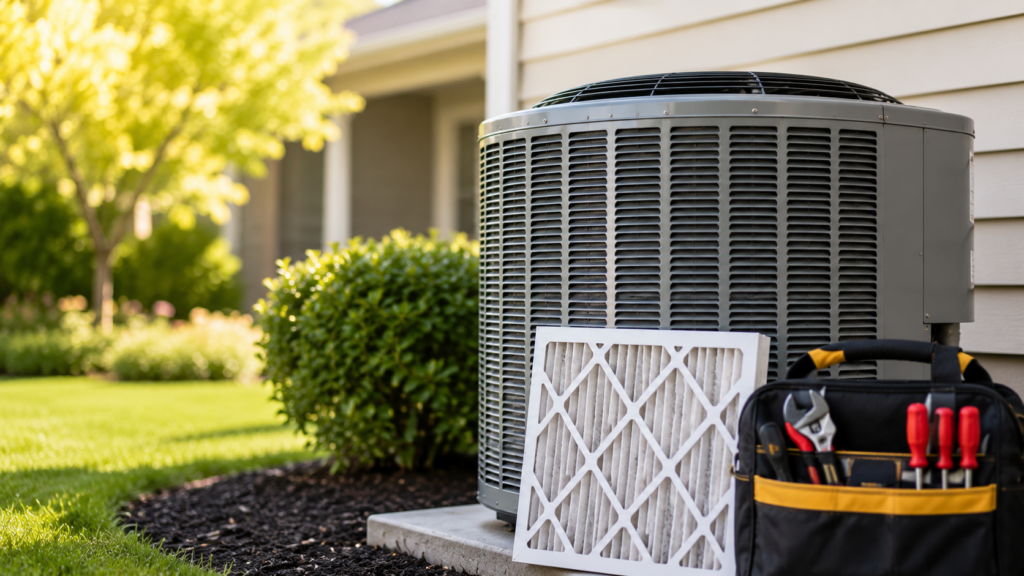
Outdoor condenser units need proper airflow to operate efficiently. Leaves, dirt, grass clippings, and debris can collect around the unit and restrict airflow.
Homeowners should keep at least two feet of open space around outdoor units whenever possible. Gentle cleaning with a garden hose can also help remove dirt buildup from the exterior fins.
Avoid placing shrubs, storage items, or fencing too close to the unit, as restricted airflow can reduce efficiency and increase system strain.
Pay Attention to Warning Signs
HVAC systems often show early warning signs before serious breakdowns occur. Ignoring these signs can lead to larger repairs and higher operating costs later.
Common warning signs include:
- Weak airflow
- Uneven room temperatures
- Unusual noises
- Higher energy bills
- Frequent cycling
- Musty or burning smells
- Excess indoor humidity
Addressing small problems early usually prevents more expensive system damage.
Reduce Energy Use Without Sacrificing Comfort
Energy savings do not always require major upgrades. Many small adjustments can improve comfort while lowering heating and cooling costs.
Practical energy-saving habits include:
- Using ceiling fans during summer
- Closing blinds during hot afternoons
- Opening curtains for winter sunlight
- Replacing old insulation
- Keeping humidity levels balanced
- Running exhaust fans only when necessary
These habits reduce workload on the HVAC system and support more stable indoor temperatures.
Consider Energy-Efficient HVAC Upgrades
Older HVAC systems often consume far more energy than modern high-efficiency models. While replacement is a larger investment, upgraded systems can lower long-term operating costs significantly.
Energy-efficient upgrades may include:
- High-efficiency air conditioners
- Variable-speed furnaces
- Heat pump systems
- Smart thermostats
- Zoned HVAC systems
- Improved ductwork
Homeowners planning long-term improvements often recover costs gradually through lower utility bills and fewer repairs.
Indoor Air Quality and HVAC Performance
HVAC maintenance also affects indoor air quality. Dirty filters, clogged ducts, excess humidity, and poor ventilation can increase dust, allergens, and airborne particles indoors.
Improving indoor air quality may involve:
- Using high-quality air filters
- Maintaining balanced humidity levels
- Cleaning ducts when necessary
- Improving ventilation
- Using air purification systems
Cleaner indoor air creates healthier, more comfortable living spaces while supporting HVAC efficiency.
Seasonal HVAC Maintenance Checklist
Spring and Summer
- Replace air filters
- Clean outdoor condenser units
- Test thermostat settings
- Check refrigerant performance
- Inspect airflow and vents
Autumn and Winter
- Inspect furnace operation
- Test heating performance
- Seal drafts around windows and doors
- Check carbon monoxide detectors
- Schedule seasonal system inspection
Following seasonal routines helps homeowners stay ahead of potential problems before extreme weather arrives.
Top Questions Answered
1. How often should HVAC air filters be replaced?
Most HVAC filters should be replaced every one to three months. Homes with pets, allergies, or heavy HVAC usage may require more frequent filter changes for better airflow and indoor air quality.
2. Does HVAC maintenance really lower energy bills?
Yes. Regular HVAC maintenance improves airflow, efficiency, and system performance, which reduces the amount of energy required to heat and cool the home effectively.
3. What temperature saves the most energy in summer?
A higher thermostat setting while away from home helps reduce energy usage. Many homeowners save energy by keeping temperatures slightly warmer during unoccupied hours.
4. Why is airflow important for HVAC efficiency?
Proper airflow helps the HVAC system distribute air evenly without overworking. Restricted airflow can increase energy consumption and create uneven indoor temperatures.
5. When should homeowners schedule HVAC servicing?
Most HVAC professionals recommend servicing systems twice yearly, usually during spring and autumn, before peak cooling and heating seasons begin.
Final Thoughts
HVAC maintenance plays a major role in home comfort, energy efficiency, and long-term system reliability. Small tasks such as replacing filters, improving airflow, sealing air leaks, and scheduling seasonal servicing can prevent unnecessary strain on heating and cooling equipment.
The most effective energy-saving solutions are often simple, consistent habits that improve performance over time. Homeowners who stay proactive with HVAC care typically enjoy lower utility costs, cleaner indoor air, fewer repairs, and more reliable comfort throughout the year. With the right maintenance approach, HVAC systems can operate more efficiently while supporting a healthier and more comfortable home environment.