


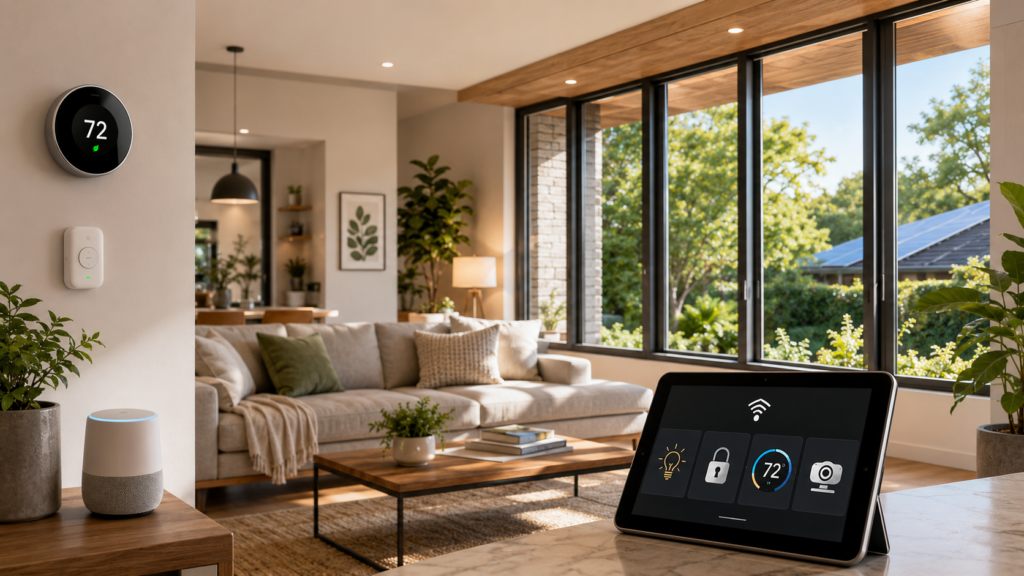
Modern homeowners are looking for more than stylish interiors and updated finishes. They want homes that feel comfortable, work efficiently, reduce energy costs, and adapt to everyday life with less effort. Smart home technology and energy-efficient upgrades are no longer luxury additions reserved for high-end properties. They have become practical investments that improve convenience, security, and long-term savings while also supporting more sustainable living.
From automated lighting and smart thermostats to high-performance windows that improve insulation, these upgrades can transform how a home functions every day. They help reduce wasted energy, maintain indoor comfort more consistently, and even increase property value over time. As energy costs continue rising and connected technology becomes more accessible, more homeowners are combining smart systems with energy-efficient improvements to create homes that are both modern and cost-effective.
Why Smart Home Technology Continues to Grow
Smart home systems make daily routines easier while helping homeowners manage energy usage more effectively. Many modern devices now work together through connected apps or voice assistants, allowing people to control lighting, climate, appliances, and security systems from almost anywhere.
One of the biggest reasons smart technology continues gaining popularity is convenience. Homeowners can adjust room temperatures remotely, automate lighting schedules, monitor security cameras in real time, and receive maintenance alerts directly on their phones. These features improve comfort while also helping reduce unnecessary energy consumption.
Smart homes also provide greater control over household efficiency. Instead of running systems continuously, homeowners can automate usage based on schedules, occupancy, or weather conditions. Over time, these small adjustments can lead to noticeable reductions in utility bills.
Smart Lighting Systems That Improve Efficiency
Lighting is often one of the easiest areas to upgrade. Smart lighting systems allow homeowners to automate when lights turn on or off, adjust brightness levels, and create schedules that reduce unnecessary electricity use.
LED smart bulbs consume far less energy than traditional incandescent lighting while lasting significantly longer. Motion sensors and automated dimmers add another layer of efficiency by ensuring lights are only used when needed.
Many homeowners also appreciate the flexibility smart lighting provides. Different lighting scenes can be created for working, relaxing, entertaining, or nighttime use. This combination of functionality and efficiency makes smart lighting one of the most accessible entry points into home automation.
Benefits of Smart Lighting
- Reduced electricity consumption
- Longer-lasting LED performance
- Automated scheduling and remote access
- Improved security through occupancy simulation
- Customisable lighting for different activities
Connected Security Systems for Modern Homes
Home security technology has evolved far beyond traditional alarm systems. Connected security devices now allow homeowners to monitor properties remotely using smartphones, tablets, or smart displays.
Modern systems may include:
- Video doorbells
- Motion detection cameras
- Smart locks
- Window and door sensors
- Remote monitoring systems
These upgrades improve both security and convenience. Homeowners can receive instant alerts when motion is detected, check live video feeds while away, or unlock doors remotely for deliveries or visitors.
Connected security systems also add value to modern properties because buyers increasingly view integrated security technology as a desirable feature. In many cases, visible smart security systems may also help discourage potential break-ins.
Automated Climate Control for Better Comfort
Heating and cooling systems account for a large portion of household energy use. Smart thermostats and automated climate controls help reduce waste while improving indoor comfort throughout the year.
Unlike traditional thermostats, smart systems learn household routines and automatically adjust temperatures based on occupancy patterns and preferences. Many systems can also monitor outdoor weather conditions and adapt heating or cooling performance accordingly.
Homeowners can control temperatures remotely, making it easier to reduce energy usage when nobody is home. Over time, these adjustments often lead to lower utility costs without sacrificing comfort.
Features Commonly Found in Smart Thermostats
- Learning temperature preferences
- Remote smartphone control
- Energy usage tracking
- Automated scheduling
- Zoned temperature management
- Maintenance reminders
These systems also support healthier indoor environments by maintaining more stable humidity and airflow conditions throughout the home.
The Growing Importance of Energy-Efficient Windows
While smart technology improves automation and energy management, energy-efficient windows directly improve insulation and indoor comfort. Older windows are one of the most common sources of energy loss in homes, especially in properties with poor sealing or outdated glass technology.
Modern energy-efficient windows are designed to reduce heat transfer, helping homes stay cooler during summer and warmer during winter. This reduces strain on HVAC systems and supports more consistent indoor temperatures.
Energy-efficient window features may include:
- Double or triple-pane glass
- Low-emissivity (Low-E) coatings
- Gas-filled insulation layers
- Improved weather sealing
- UV protection technology
These upgrades not only improve energy efficiency but also reduce outside noise and protect interiors from excessive sunlight exposure.
How Energy-Efficient Windows Lower Utility Costs
One of the biggest benefits of upgraded windows is reduced heating and cooling demand. When indoor temperatures remain more stable, HVAC systems work less aggressively to maintain comfort levels.
Homes with poor window insulation often experience:
- Drafts near windows
- Uneven room temperatures
- Increased cooling costs
- Excessive heat gain
- Higher heating demand during winter
Energy-efficient windows help minimise these problems by improving thermal performance throughout the home. Over time, the reduction in energy usage can help offset installation costs through long-term savings.
Many homeowners also notice improved comfort almost immediately after replacing outdated windows, especially in rooms that previously felt too hot or too cold.
Combining Smart Technology with Energy Efficiency
The most effective modern homes combine smart automation with energy-efficient upgrades. Smart thermostats, lighting systems, and automated blinds work even better when paired with insulated windows and improved building performance.
For example, automated window coverings can reduce solar heat gain during warmer parts of the day, helping cooling systems operate more efficiently. Smart climate controls can then maintain stable temperatures using less energy.
This layered approach creates homes that are:
- More comfortable year-round
- Easier to manage
- Less expensive to operate
- More environmentally responsible
- Better prepared for future energy demands
Homeowners who invest in both smart technology and energy efficiency often see stronger long-term value compared to focusing on cosmetic upgrades alone.
Property Value and Buyer Appeal
Modern buyers increasingly prioritise efficiency, sustainability, and connected living features when searching for homes. Smart systems and energy-efficient improvements are becoming strong selling points in many housing markets.
Features such as smart thermostats, efficient windows, connected security systems, and automated lighting often make properties feel more updated and move-in ready. These upgrades may also help homes stand out in competitive real estate markets.
Beyond resale value, homeowners benefit from improved daily living experiences. Reduced maintenance concerns, lower utility costs, better comfort, and enhanced security all contribute to higher long-term satisfaction.
Choosing the Right Upgrades for Your Home
Not every home requires a complete smart technology overhaul. The best approach is usually to start with upgrades that provide the greatest practical value based on the property’s age, layout, and energy performance.
Homeowners often begin with:
- Smart thermostats
- LED smart lighting
- Connected security systems
- Window replacements
- Automated blinds or shades
Prioritising upgrades with measurable energy savings can help create a more balanced and cost-effective improvement plan. It is also important to choose systems that integrate well together for smoother long-term functionality.
Reader Questions
What are the benefits of smart home upgrades?
Smart home upgrades improve convenience, energy efficiency, security, and comfort. They help homeowners automate daily tasks, monitor systems remotely, and reduce unnecessary energy usage throughout the property.
Do smart thermostats really save energy?
Yes. Smart thermostats reduce wasted heating and cooling by automatically adjusting temperatures based on occupancy, schedules, and user preferences, helping lower utility costs over time.
Are energy-efficient windows worth the investment?
Energy-efficient windows improve insulation, reduce drafts, lower heating and cooling costs, and increase indoor comfort, making them a valuable long-term home improvement.
What smart home feature is best for beginners?
Smart lighting systems are often the easiest starting point because they are affordable, simple to install, and provide immediate convenience and energy savings.
Can smart home upgrades increase property value?
Yes. Many buyers view smart technology and energy-efficient features as desirable additions that improve functionality, efficiency, and overall appeal.
The Bottom Line
Smart home upgrades and energy-efficient windows are changing the way modern homes function. These improvements offer more than convenience or visual appeal. They create living spaces that feel more comfortable, operate more efficiently, and adapt better to everyday needs.
From automated lighting and connected security systems to insulated windows and intelligent climate controls, today’s homeowners have more opportunities than ever to reduce energy consumption while improving quality of life. These upgrades support long-term savings, enhance property value, and create homes that feel both modern and practical.
As technology continues evolving and energy efficiency becomes increasingly important, smart and sustainable home improvements will remain valuable investments for homeowners seeking comfort, performance, and long-term functionality.