


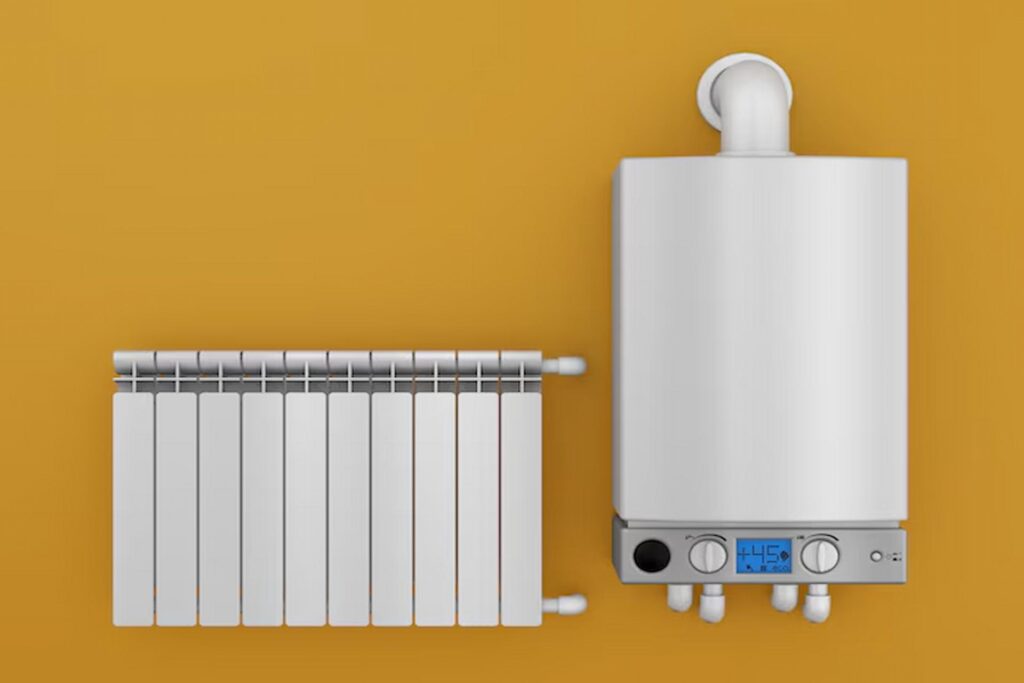
Upgrading your home’s heating system is no longer just about comfort—it’s about efficiency, cost savings, and sustainability. With rising energy prices and increasing environmental awareness, homeowners are actively seeking smarter heating solutions that deliver long-term value.
From modern technologies to simple system upgrades, there are several effective ways to improve heating performance while reducing energy consumption. Below are practical, expert-backed strategies to help you transform your home into a more energy-efficient space.
Switch to a Heat Pump System
One of the most effective upgrades you can make is switching to a heat pump. Unlike traditional systems that generate heat, heat pumps transfer heat, making them significantly more energy-efficient.
They work year-round—providing warmth in winter and cooling in summer—while consuming less electricity than conventional heating systems. Investing in heat pump installation can reduce your energy bills over time and lower your carbon footprint. Many homeowners report noticeable savings within the first year of use, especially in moderate climates.
Upgrade to a High-Efficiency Furnace
If replacing your entire system isn’t feasible, upgrading to a high-efficiency furnace is a strong alternative. Modern furnaces often have efficiency ratings of 90% or higher, meaning most of the energy used is converted directly into heat.
This results in less wasted energy and better indoor comfort. While the upfront cost may be higher, the reduction in monthly heating expenses and improved performance make it a worthwhile long-term investment.
Install a Smart Thermostat
Smart thermostats are a simple yet powerful upgrade that can dramatically improve energy efficiency. These devices learn your habits and adjust temperatures automatically to optimize comfort and energy use.
For example, they can lower the heating when you’re away and warm your home just before you return. Many models also provide energy reports, helping you better understand and manage your energy consumption.
Improve Home Insulation
Even the most advanced heating system won’t perform well if your home isn’t properly insulated. Heat loss through walls, ceilings, and floors forces your system to work harder, increasing energy usage.
Upgrading insulation in key areas—such as attics, basements, and exterior walls—helps retain heat and maintain consistent indoor temperatures. This not only improves efficiency but also enhances overall comfort.
Seal Air Leaks and Drafts
Small gaps around doors, windows, and vents can lead to significant heat loss. Sealing these leaks is one of the most cost-effective ways to boost heating efficiency.
Weatherstripping, caulking, and draft stoppers are simple solutions that can make a noticeable difference. By preventing warm air from escaping, your heating system doesn’t need to work as hard, which saves energy and reduces wear and tear.
Consider Radiant Heating Systems
Radiant heating systems, such as underfloor heating, distribute warmth evenly across a space. Unlike forced-air systems, they eliminate heat loss through ducts and provide consistent comfort.
These systems are particularly effective in colder climates and can be paired with renewable energy sources for even greater efficiency. While installation costs can be higher, the comfort and energy savings often justify the investment.
Upgrade to Zoned Heating
Zoned heating systems allow you to control temperatures in different areas of your home independently. This means you only heat the rooms you use, rather than wasting energy on unused spaces.
By installing multiple thermostats and dampers, you can customize heating based on your daily routine. This approach not only improves comfort but also reduces unnecessary energy consumption.
Maintain Your Heating System Regularly
Routine maintenance is essential for keeping your heating system efficient. Dirty filters, clogged ducts, and worn-out components can reduce performance and increase energy usage.
Scheduling annual inspections and cleaning ensures your system operates at peak efficiency. Regular maintenance also extends the lifespan of your equipment and helps prevent costly breakdowns.
Use Energy-Efficient Windows
Windows play a crucial role in heat retention. Older or single-pane windows often allow heat to escape, forcing your heating system to compensate.
Upgrading to double- or triple-glazed windows improves insulation and reduces heat loss. Additionally, energy-efficient windows can help maintain indoor temperatures year-round, contributing to overall energy savings.
Integrate Renewable Energy Sources
For homeowners looking to maximise sustainability, integrating renewable energy sources is a forward-thinking solution. Solar panels, for example, can power heating systems and reduce reliance on traditional energy sources.
Combining renewable energy with efficient heating technologies creates a powerful synergy that lowers energy costs and environmental impact.
Conclusion
Upgrading your home with energy-efficient heating systems is a smart move that delivers both immediate and long-term benefits. From advanced technologies like heat pumps to simple improvements like sealing drafts, each step contributes to better performance and reduced energy use. By making informed choices, you can create a comfortable, cost-effective, and environmentally responsible home.