


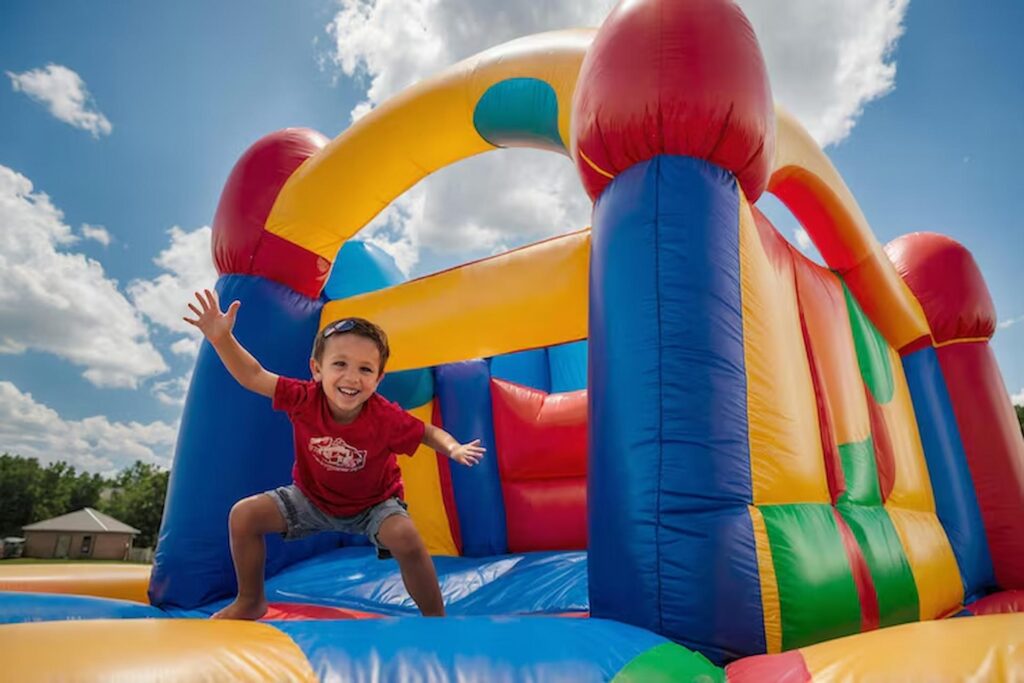
Inflatable advertising depends on more than eye-catching design. Behind every stable inflatable is a careful balance of airflow and internal pressure. This piece looks at how inflatable advertising functions outdoors, what influences its durability, and the practical measures that help ensure consistent performance throughout the year—allowing businesses to maximise impact while protecting their investment.
Introduction
Inflatable advertising has become a popular way to create instant visual impact at events, storefronts, and outdoor promotions. However, what keeps an inflatable standing tall is not just its shape or size, but a precise interaction between airflow and internal pressure. Understanding this balance is essential for safety, longevity, and performance. From blower capacity to fabric tension, each element contributes to stability. Providers such as ABC Inflatables often emphasise that successful inflatable displays rely on engineering principles as much as creative design. When airflow and pressure are properly managed, inflatables remain stable, readable, and dependable across varying conditions.
What Keeps Inflatable Advertising Upright and Secure
At its core, inflatable stability depends on maintaining consistent internal air pressure. This pressure creates structural rigidity, allowing soft materials to hold defined shapes.
How Airflow Supports Structure
Airflow is the continuous movement of air supplied by an electric blower. Rather than “filling” the inflatable once, most advertising inflatables rely on constant airflow to compensate for small air losses through seams, zips, and fabric pores.
Key principles include:
- Continuous airflow replaces escaping air
- Stable pressure prevents sagging or collapse
- Balanced air distribution maintains uniform shape
Without sufficient airflow, pressure drops quickly, causing instability.
Internal Pressure and Shape Retention
Internal pressure pushes outward against the inflatable’s fabric. When evenly distributed, this pressure creates tension across the surface, giving the structure its firmness.
If pressure becomes uneven, several issues may appear:
- Leaning or tilting
- Wrinkling or deformation
- Increased stress on seams
Maintaining even pressure is therefore central to long-term stability.
The Relationship Between Blowers and Pressure Control
The blower is the engine behind every inflatable. Its performance directly affects airflow and pressure levels.
Matching Blower Capacity to Inflatable Size
Using the correct blower size is critical. A blower that is too weak cannot maintain pressure, while one that is too powerful may overstress seams and fabric.
Factors to consider:
- Height and volume of the inflatable
- Fabric thickness and permeability
- Expected wind exposure
Correct matching ensures consistent inflation without unnecessary strain.
Continuous vs Sealed Air Systems
Inflatable advertising typically uses continuous air systems. These rely on constant airflow rather than airtight sealing.
Benefits include:
- Rapid deflation for transport
- Reduced pressure spikes
- Better adaptability to small leaks
This design approach supports safer and more predictable stability.
Why Air Loss Occurs and Its Impact on Stability
Air loss is normal in inflatable structures. Stability depends on how effectively airflow compensates for that loss.
Common Air Escape Points
Inflatables are designed with controlled leakage in mind. Air usually escapes through:
- Stitching and seams
- Zips or access points
- Fabric pores
These exits prevent pressure build-up but require sufficient airflow to maintain balance.
Pressure Drop and Structural Weakness
When airflow cannot keep up with air loss, pressure drops. This leads to:
- Reduced surface tension
- Increased movement in wind
- Higher risk of collapse
Monitoring airflow consistency helps prevent these issues.
Environmental Factors That Affect Airflow and Pressure
Even a well-designed inflatable responds to its surroundings.
Wind and Air Displacement
Wind does not deflate an inflatable directly, but it alters how pressure distributes inside the structure. Strong gusts can:
- Shift internal air pockets
- Increase stress on anchor points
- Create uneven tension
Stable pressure and secure anchoring help counteract these effects.
Temperature Changes
Air density changes with temperature. Warm air expands, while cold air contracts.
Implications include:
- Higher internal pressure in heat
- Reduced firmness in cold conditions
- Temporary shape changes during temperature shifts
Adjusting airflow settings can help maintain balance.
Fabric Tension and Its Role in Stability
The inflatable’s material works alongside airflow and pressure to maintain structure.
Fabric Strength and Elasticity
Inflatable fabrics are designed to stretch slightly under pressure. This elasticity:
- Absorbs movement
- Reduces stress on seams
- Helps maintain smooth surfaces
Excessive stretching, however, signals overpressure and potential failure.
Seams as Structural Reinforcement
Seams act like internal frames. When pressure is balanced, seams distribute force evenly across the structure.
Poor pressure management can lead to:
- Seam fatigue
- Distortion of printed graphics
- Reduced lifespan
Balanced airflow protects both form and finish.
Anchoring Systems and Pressure Interaction
Anchoring does not replace pressure but works alongside it.
How Anchors Support Air-Based Stability
Anchors limit movement while internal pressure provides rigidity. Together, they:
- Reduce sway
- Maintain vertical alignment
- Minimise fabric stress
Anchors without adequate pressure still result in instability.
Common Anchoring Considerations
Effective anchoring accounts for:
- Surface type
- Inflatable height
- Expected airflow force
Balanced pressure ensures anchors support rather than strain the structure.
Maintenance Practices That Protect Airflow Efficiency
Regular care helps airflow and pressure systems work efficiently.
Routine Checks
Simple inspections can prevent major issues:
- Check blower vents for blockages
- Ensure zips are fully closed
- Confirm airflow feels consistent
These steps help maintain pressure stability.
Fabric and Seam Care
Clean, intact fabric improves pressure retention. Dirt and wear increase air loss, forcing blowers to work harder and reducing overall stability.
Key Takeaways for Inflatable Advertising Stability
- Airflow replaces escaping air and maintains structure
- Internal pressure creates rigidity and shape retention
- Blower capacity must match inflatable size
- Environmental factors influence pressure balance
- Fabric tension and seams distribute internal forces
Understanding these principles improves safety and visual reliability.
Conclusion
Inflatable advertising stability depends on a careful balance between airflow and internal pressure. Airflow ensures constant replenishment of escaping air, while pressure provides the tension needed to hold form and resist movement. Environmental factors, fabric properties, and blower performance all influence this balance. When managed correctly, inflatables remain upright, smooth, and visually effective throughout their display period. Industry guidance from providers such as ABC Inflatables reinforces that stability is not accidental—it is the result of informed setup, consistent airflow, and controlled pressure. By understanding how these forces interact, businesses can deploy inflatable advertising with greater confidence, improved durability, and reduced risk. A stable inflatable not only looks professional but also ensures safety, reliability, and long-term value.