


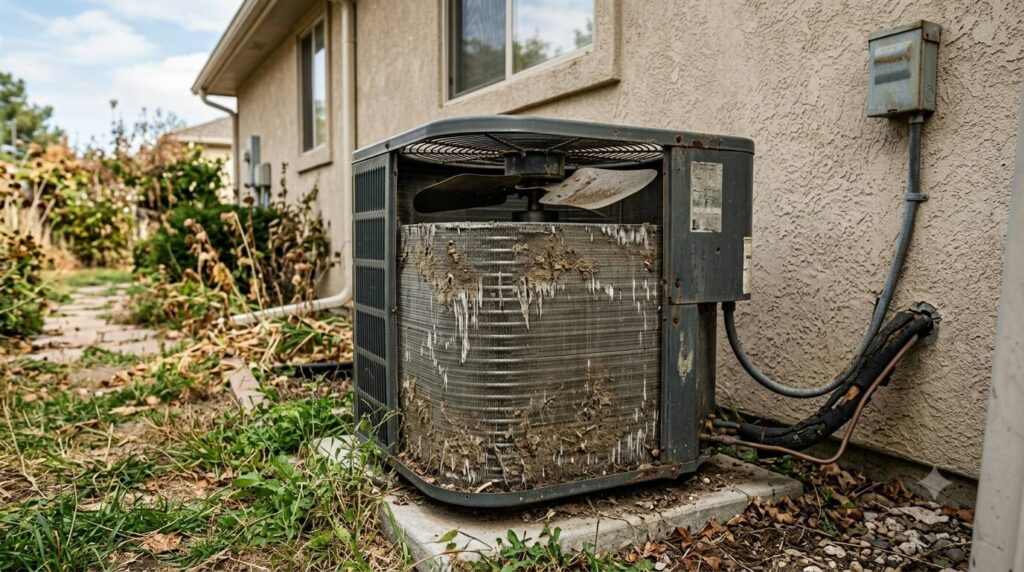
An HVAC system can keep running long after its efficiency begins to decline. Longer cycles, weak airflow, temperature changes, and rising utility bills often appear before a failure. Understanding why performance fades gives homeowners time to arrange maintenance, correct developing problems, and protect comfort before extreme weather increases system demand.
A heating or cooling system does not need to stop working to be wasting energy. Small problems can gradually reduce performance while the equipment continues producing warm or cool air. Homeowners may notice longer cycles, uneven temperatures, weaker airflow, or energy bills that rise without an obvious reason. Seeking HVAC support near Grayson, KY when these changes appear can prevent unnecessary strain from turning into a major breakdown. A professional inspection can identify restricted airflow, dirty components, duct problems, thermostat faults, or worn parts. Recognizing declining efficiency early protects comfort, controls operating costs, and supports a longer equipment service life.
1. Restricted Airflow Makes the System Work Harder
Your HVAC system depends on steady airflow to distribute heated or cooled air throughout the home. When airflow becomes restricted, the equipment must run longer to reach the thermostat setting.
A clogged air filter is one of the most common causes. Blocked vents, dirty coils, damaged ductwork, or blower problems may also reduce airflow. The system can continue operating, but its efficiency and comfort output gradually decline.
Check the filter regularly and replace it according to equipment and manufacturer recommendations. Keep supply and return vents clear of furniture, rugs, and curtains.
2. Dirty Components Reduce Heat Transfer
Buildup Creates Hidden Energy Waste
Heating and cooling equipment must transfer heat efficiently. Dirt on an evaporator coil, condenser coil, burner, or other component can interfere with that process.
An air conditioner with dirty coils may struggle to remove indoor heat. Heating equipment with neglected components may need longer cycles to warm the home. The unit may still function, but it uses more energy to produce the same result.
Professional maintenance includes inspection and cleaning of accessible components. This service can restore performance and reveal wear before it causes a breakdown.
3. Duct Leaks Waste Conditioned Air
Air ducts carry heated and cooled air to different rooms. Gaps, loose connections, or damaged sections can allow conditioned air to escape into attics, crawl spaces, walls, or other unused areas.
Possible signs of duct trouble include:
- Weak airflow from certain vents
- Rooms that remain too hot or cold
- Dust collecting near registers
- Longer heating or cooling cycles
- Higher utility bills without greater use
Sealing or repairing damaged ducts can improve comfort and reduce unnecessary system operation.
4. Thermostat Problems Affect System Control
The thermostat tells the HVAC system when to operate and when to stop. Incorrect readings, poor placement, weak batteries, damaged wiring, or aging controls can cause unnecessary cycling.
A thermostat located near direct sunlight, drafts, appliances, or exterior doors may read conditions that do not represent the rest of the house. As a result, the HVAC system may run too long or shut down too early.
Before adjusting equipment, confirm that the thermostat is set correctly. Replace batteries if needed and arrange professional testing when temperature readings appear inaccurate.
5. Worn Parts Increase Operating Strain
Motors, bearings, fans, belts, electrical controls, and other components experience wear during normal operation. A worn part may continue functioning while requiring more energy or placing extra pressure on nearby components.
Watch for new noises, slow startup, weak airflow, frequent cycling, or unusual vibration. Seeking HVAC support near Grayson, KY at this stage may prevent a worn component from damaging more expensive equipment.
Do not ignore an unfamiliar noise simply because the home remains comfortable. The system may be compensating for a developing mechanical problem.
6. Refrigerant Problems Lower Cooling Performance
Air conditioners and heat pumps use refrigerants to transfer heat. A system with an incorrect refrigerant level may continue running but struggle to provide effective cooling.
Low refrigerant may indicate a leak. Common warning signs include longer cooling cycles, warm air from vents, ice on refrigerant lines, or reduced comfort. Adding refrigerant without finding the source does not provide a complete repair.
Refrigerant handling requires proper training and equipment. A qualified technician should locate the problem and recommend the appropriate solution.
7. Poor Insulation and Air Leaks Increase Demand
The HVAC system is not always the only reason efficiency declines. Gaps around doors and windows, poor attic insulation, and unsealed openings allow conditioned air to escape.
As the home loses heated or cooled air, the equipment operates longer to maintain comfort. This extra demand can make a healthy system appear undersized or inefficient.
Air sealing and insulation improvements can reduce heating and cooling loads. They may also help rooms maintain more consistent temperatures.
8. Neglected Maintenance Allows Problems to Build
Small efficiency losses often develop gradually. Without routine inspection, dirt, loose connections, drainage problems, and worn components may remain unnoticed.
Maintenance provides an opportunity to:
- Inspect essential components
- Check airflow and system controls
- Clean areas that affect performance
- Identify unusual wear or damage
- Confirm safe and reliable operation
A tune-up cannot prevent every failure, but it can reduce avoidable strain and support dependable performance.
9. How to Recognize Declining HVAC Efficiency
Homeowners often notice comfort changes before equipment stops working. Pay attention when the system runs longer, starts more frequently, produces weaker airflow, or struggles to maintain the thermostat setting.
Compare energy bills from similar weather periods. A sharp increase without a change in household habits may indicate an efficiency problem. New odors, noises, moisture, or excessive dust also deserve attention.
Record when symptoms occur and which rooms are affected. This information can help a technician diagnose the system more efficiently.
FAQs
1. Can an HVAC System Be Inefficient and Still Heat or Cool?
Yes. The equipment may compensate for poor performance by running longer or more frequently. Comfort can appear normal while energy use and component strain increase.
2. Does Replacing the Air Filter Restore Efficiency?
It can improve airflow when the filter is clogged. However, continuing problems may involve ducts, coils, motors, controls, or other components.
3. Why Is One Room Less Comfortable Than the Others?
Uneven comfort may result from blocked vents, duct leaks, insulation gaps, air leaks, or poor system balance.
4. Are Rising Energy Bills Always Caused by HVAC Problems?
No. Weather, utility rates, and household use also affect costs. Bills rising alongside longer cycles or reduced comfort may indicate an HVAC concern.
5. Can Routine Maintenance Lower the Risk of Failure?
Maintenance can reveal developing problems and reduce preventable strain. It cannot stop every breakdown, but it supports safer and more efficient operation.
Wrapping Up
HVAC efficiency usually declines in small stages rather than disappearing overnight. Restricted airflow, dirty components, leaking ducts, thermostat errors, worn parts, refrigerant problems, and heat loss through the building can all force equipment to work harder. The system may continue heating or cooling while energy use rises and comfort becomes less consistent.
Check filters, keep vents clear, watch energy bills, and listen for changes in system operation. Schedule professional maintenance rather than waiting for a complete shutdown. Early diagnosis may allow a smaller repair to restore performance before added strain damages other components. Timely HVAC support near Grayson, KY can identify the source of declining efficiency, improve comfort, and help extend equipment life. Paying attention to longer cycles, weak airflow, unusual noises, and changing temperatures gives homeowners the opportunity to act before an inefficient system becomes an unexpected breakdown.