


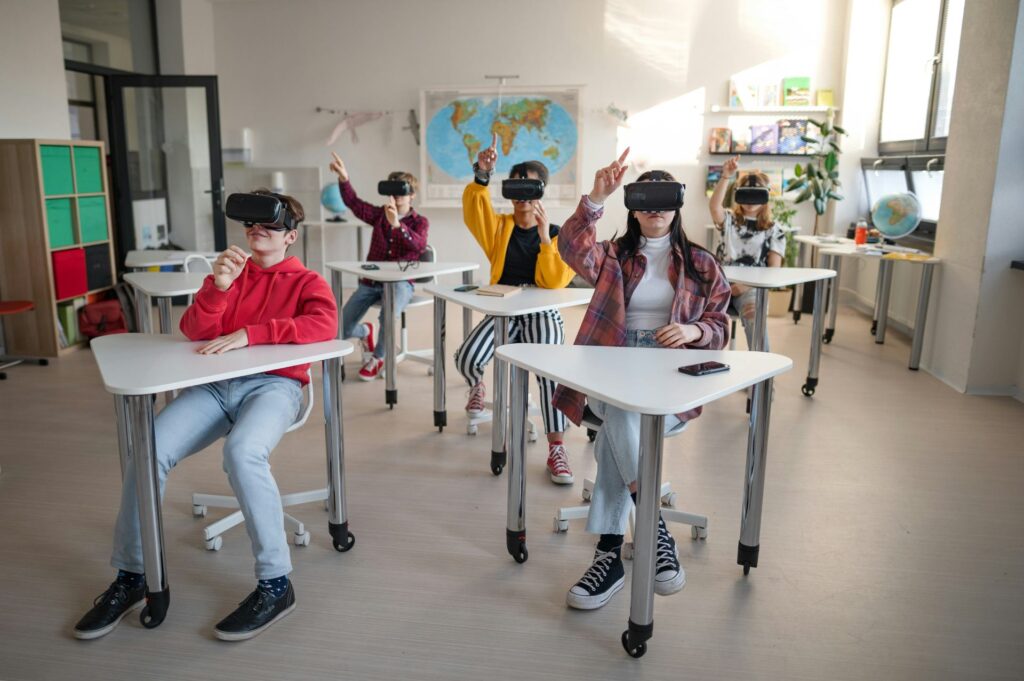
Education is no longer what it used to be. Classrooms are evolving. Lessons are becoming more flexible. And learners now have more control over how they study. In 2026, education is shaped by technology, personalisation, and real-world skills.
This shift is not sudden. It has been building over the past few years. However, now the change feels real and visible. Schools, universities, and online platforms are all adapting. As a result, learning is becoming more accessible, practical, and engaging.
A Move Towards Personalised Learning
One of the biggest changes is personalisation. Every student learns differently. Some prefer reading. Others learn better through videos or hands-on practice. Modern education now respects these differences.
Digital tools track progress and adjust lessons. This means students can learn at their own pace. They no longer feel left behind or held back. Instead, they follow a path that suits their strengths.
At the centre of this shift lies The Future of Education: How Learning Is Changing in 2026, where learning is no longer one-size-fits-all but tailored to each individual.
Technology Is Leading the Way
Technology plays a key role in modern learning. Classrooms now include smart boards, virtual lessons, and interactive tools. Even homework has changed. Many students now use apps and online platforms to complete tasks.
More importantly, artificial intelligence is helping teachers. It reduces routine work and allows them to focus on teaching. At the same time, students receive instant feedback, which improves learning outcomes.
In addition, data-driven insights are helping schools understand student behaviour. Teachers can identify weak areas early and offer targeted support. This improves performance and builds confidence.
Some key tools shaping education today include:
- Online learning platforms that offer flexible courses
- Virtual reality for immersive learning experiences
- AI-based tools for personalised feedback
- Mobile apps for learning on the go
These tools make education more engaging and efficient.
Learning Beyond the Classroom
Education is no longer limited to physical classrooms. Students can now learn from anywhere. This is especially helpful for those who cannot attend traditional schools.
Online education has opened doors for many. It allows people to learn new skills, switch careers, or continue studies without disruption. As a result, lifelong learning is becoming more common.
In addition, hybrid learning models are growing. Students attend some classes in person and others online. This creates a balanced and flexible approach.
Interestingly, global access to courses has also increased. A student in one country can now learn from institutions across the world. This creates new opportunities and expands knowledge boundaries.
Focus on Skills That Matter
Modern education is shifting towards practical skills. Employers today look for more than just degrees. They want problem-solving ability, communication skills, and creativity.
As a result, schools are updating their approach. They now include:
- Critical thinking and decision-making
- Digital literacy and tech skills
- Teamwork and collaboration
- Real-world problem-solving
This change prepares students for real-life challenges. It also makes learning more meaningful.
Furthermore, project-based learning is gaining popularity. Students work on real tasks instead of only theory. This helps them understand how knowledge applies in everyday situations.
The Role of Teachers Is Changing
Teachers are no longer just information providers. Instead, they act as guides and mentors. Their role is to support students and help them think independently.
With access to endless information online, students do not rely only on textbooks. Teachers now help them understand, question, and apply knowledge.
This shift creates a more interactive learning environment. Students feel more involved and confident in their learning journey.
At the same time, teachers are also learning new skills. They are adapting to digital tools and modern teaching methods to stay relevant.
Education Is Becoming More Inclusive
Another important change is inclusivity. Education in 2026 is designed to reach everyone. This includes students from different backgrounds, abilities, and locations.
Digital platforms make learning accessible. Features like subtitles, audio lessons, and flexible formats support diverse needs. As a result, more people can benefit from quality education.
Moreover, global learning communities are growing. Students from different countries can connect and learn together. This builds cultural understanding and broadens perspectives.
Challenges Still Exist
Despite these improvements, challenges remain. Not everyone has equal access to technology. Some regions still struggle with internet connectivity and resources.
In addition, too much screen time can affect focus and health. Therefore, balance is important. Schools must combine digital tools with traditional methods.
Another concern is data privacy. With more digital tools in use, protecting student information is essential. Education systems must address these issues carefully.
What Lies Ahead
Looking forward, education will continue to evolve. New technologies will emerge. Learning methods will keep improving. However, the goal remains the same — to help individuals grow and succeed.
Future trends may include:
- More immersive virtual classrooms
- Greater use of artificial intelligence
- Increased focus on mental well-being
- Stronger links between education and industry
These changes will shape how future generations learn and work.
Conclusion
Education in 2026 is more flexible, inclusive, and practical than ever before. It focuses on the learner, not just the system. Technology supports learning, but human connection still matters.
As we move forward, the key is balance. Combining innovation with strong teaching methods will create a better learning experience for all.
In simple terms, education is no longer just about passing exams. It is about building skills, confidence, and a lifelong love for learning.