
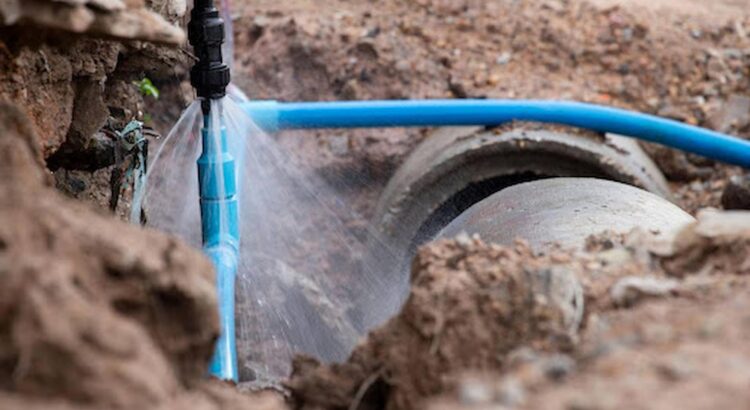
A hidden water leak can silently wreak havoc on your home, leading to expensive repairs and severe damage. Learn how early water leak detection can save your property—and your wallet.
Water is essential for daily living, but when it ends up in the wrong place, it can cause severe damage. A small leak may seem harmless at first. But left undetected, it can silently ruin walls, weaken structures, and even create health risks from mold. Homeowners and property managers often discover leaks too late, after the damage has been done. That’s why early water leak detection is not just a good idea, it’s a necessity.
In this article, we will examine the importance of detecting leaks early, common signs to look out for, causes of leaks, and practical steps to prevent long-term damage. Whether you’re maintaining a home or managing commercial property, understanding how to prevent water damage can save thousands in repairs.
Why Water Leaks Are So Dangerous
Water may appear harmless, but when it seeps into areas not designed to hold moisture, problems quickly follow. Leaks can originate from various sources such as broken pipes, faulty appliances, or clogged drains. Over time, even a slow drip can erode flooring, cause paint to peel, and destroy insulation.
More dangerously, leaks behind walls or under floors often remain hidden. The longer they go unnoticed, the more damage they cause. In many cases, homeowners don’t notice a problem until the signs become obvious—warped wood, stained ceilings, or musty smells. By then, repair costs have already begun to climb.
The Importance of Water Leak Detection
Water leak detection is your first defence against hidden moisture damage. Identifying a leak early helps you take action before it turns into a larger issue. This process involves more than spotting a puddle under a sink—it means staying alert to less obvious indicators.
Common signs of a hidden leak include:
- Unexplained increase in your water bill
- Low water pressure
- Mold or mildew in unusual areas
- Cracks in walls or flooring
- Peeling paint or wallpaper
- Discolouration on ceilings or walls
Leak detection systems, moisture sensors, and routine inspections are all tools that can help identify water damage early. But even without technology, staying observant and responding quickly to unusual signs can save your property.
What Causes Water Leaks?
Understanding the source of leaks helps prevent them from occurring. Some causes are linked to age and wear, while others result from poor installation or seasonal changes. Here are the most common culprits:
- Aging Pipes: Over time, pipes corrode or develop cracks. Older homes with steel or iron plumbing are especially vulnerable.
- Poor Seals Around Fixtures: If caulking around sinks, tubs, or windows wears away, water can seep into surrounding structures.
- Damaged Roofs: Missing shingles, cracked flashing, or clogged gutters can allow water to enter the home.
- Clogged Drains: Backed-up sinks, showers, or toilets can cause water to overflow and leak into surrounding areas.
- Faulty Appliances: Washing machines, dishwashers, and water heaters may leak if hoses or valves fail.
Understanding the source of the problem is the first step in addressing it properly. If you suspect a leak but can’t find the cause, professional water leak detection may be necessary.
How to Prevent Costly Property Damage
Preventing property damage requires both awareness and action. Below are practical steps you can take to reduce the risk of water damage in your property.
1. Regular Inspections
- Check under sinks and around appliances monthly.
- Inspect your roof, gutters, and downspouts regularly throughout the year.
- Monitor walls and ceilings for signs of moisture.
- Install Leak Detection Systems
Smart sensors can detect changes in moisture levels and alert you before damage spreads. Some even shut off your water supply automatically in the event of an emergency. - Maintain Plumbing
- Replace old pipes before they fail.
- Insulate pipes in cold areas to prevent freezing and bursting.
- Make sure all plumbing work is done by qualified professionals.
2. Protect Outdoor Areas
- Keep gutters clear of leaves and debris.
- Ensure the ground around your home slopes away from the foundation to direct water away from it.
- Seal exterior walls and windows properly.
- Act Fast When You Notice a Leak
Delays in addressing even small leaks can lead to serious issues. If you notice signs of moisture, investigate immediately.
By prioritising water leak detection, you’re not just preventing puddles—you’re protecting your home’s structural integrity and avoiding costly repairs.
Why Early Detection Matters
Catching a leak early can mean the difference between a quick fix and a complete renovation. Mold and mildew can begin growing within 24 to 48 hours of exposure to moisture. Wood can warp, metal can rust, and electrical systems can short-circuit. The earlier you act, the better your chances of avoiding permanent damage.
Moreover, insurance claims for water damage can be complicated. If insurers believe you were negligent or failed to maintain your plumbing, they may deny your claim. Routine inspections and fast responses can protect you not just from structural damage, but from financial liability.
Areas Most at Risk for Leaks
Some parts of a home or building are more prone to leaks than others. Focus your attention on these high-risk areas:
- Bathrooms: Showers, tubs, and toilets are frequent sources of leaks.
- Kitchens: Dishwashers and sinks can drip without being noticed.
- Basements are prone to water intrusion from the ground or foundation cracks.
- Attics and Roofs: Vulnerable to leaks from damaged shingles or poor ventilation.
- Laundry Rooms: Washing machine hoses can wear out or come loose.
Being proactive in these areas can drastically reduce your risk.
Simple Habits That Help Prevent Leaks
Good maintenance habits go a long way in protecting your property. These small actions can make a big difference:
- Turn off the water when leaving home for extended periods.
- Don’t ignore small drips; they rarely fix themselves.
- Avoid flushing wipes or pouring grease down drains.
- Replace old hoses on appliances every 5 years.
- Know the location of your main water shut-off valve.
These simple steps don’t take much effort but can save you thousands in repairs.
Conclusion
Water damage is more than just a nuisance—it can ruin property, lead to health issues, and cost thousands in repairs. The key to preventing this is early and consistent detection of water leaks. By staying alert to warning signs, performing regular inspections, and taking quick action when leaks occur, you can protect your property and your wallet.
Taking the time to understand the risks and develop preventive habits is a smart investment. Whether you live in an apartment or manage a large building, leak detection should be an integral part of your property maintenance routine.