
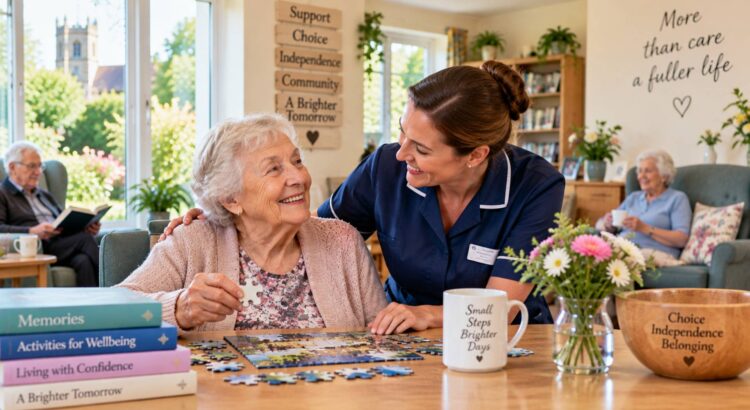
Choosing the right support for someone living with dementia is rarely straightforward. Families often want a setting that feels safe and structured while still allowing their loved one to keep a sense of independence and personal identity. Finding that balance matters at every stage of the condition.
A well-run residential dementia care home in Waltham Abbey aims to provide exactly that combination: skilled, consistent support alongside genuine opportunities for choice, movement and everyday enjoyment. The goal is not simply to manage symptoms but to help residents continue living meaningful days.
Understanding the Balance Between Safety and Independence
Dementia affects people in different ways. Some residents need close supervision with personal care and medication, while others remain mobile and benefit from freedom to walk, explore and take part in familiar routines. Good residential dementia care recognises these differences and adapts rather than applying a one-size-fits-all approach.
Support typically includes help with washing, dressing, eating and taking medication, delivered by staff who understand how dementia can change behaviour, mood and communication. At the same time, the environment and daily routines are designed to reduce unnecessary restrictions. Wide corridors, clear signage, good lighting and colour contrast help residents find their way independently. Secure outdoor spaces allow people to walk safely without the risk of becoming lost.
This approach reduces anxiety for residents while giving families confidence that needs are being met. When staff know each person well—their preferences, past routines and current abilities—they can step in only when needed and step back when independence is still possible.
What Makes an Environment Supportive
The physical design of a care home plays a large part in how free and settled a resident feels. Features that work well for people with dementia include:
- Clear visual cues such as memory boxes outside bedrooms, colour-coded areas and easy-to-read signs
- Contrasting colours on tableware, furniture and flooring so objects stand out more easily
- Good natural and artificial lighting that helps distinguish day from night
- Secure, pleasant outdoor areas that residents can access without constant staff presence
- Spaces that offer both quiet corners and opportunities for social activity
These elements reduce confusion and frustration. They also support continued independence with everyday tasks such as choosing a meal or finding the way to a lounge. When the environment itself does much of the guiding, staff can focus on meaningful interaction rather than constant direction.
Personalised Care and Daily Life
Effective dementia care starts with knowing the person. Staff spend time learning about medical needs, preferred routines, likes and dislikes, and how the condition currently affects the individual. This knowledge allows care to remain flexible as needs change over time.
Daily life in a residential setting often includes a mix of structured activities and quieter moments. Music, reminiscence, gentle movement, sensory experiences and simple household tasks can all help maintain skills and a sense of purpose. Mealtimes are treated as social occasions where residents are shown options rather than simply given a plate, supporting choice and appetite.
Family involvement remains important. Homes that welcome visitors at flexible times and encourage shared meals or quiet conversations help residents stay connected to the people who matter most. Regular contact also allows families to share observations that help staff refine support.
Practical Factors to Consider When Choosing a Home
Selecting a residential dementia care setting involves more than location. Several practical points deserve careful attention:
- Staff training and consistency – Look for teams with specific dementia knowledge and low staff turnover so residents see familiar faces.
- Ability to adapt as needs increase – Confirm the home can provide different levels of support and that residents do not have to move if their condition progresses.
- Access to healthcare professionals – Strong links with GPs, district nurses, dentists and other specialists help maintain overall health.
- Atmosphere and daily rhythm – Visit at different times of day if possible. Observe how staff speak to residents and whether people appear engaged or at ease.
- Outdoor access and indoor layout – Check that residents can move freely within secure areas and that the design reduces confusion.
- Short-stay options – Respite or day care can give families a chance to experience the home before making a longer-term decision.
It is also wise to review the most recent inspection reports from the Care Quality Commission. These provide an independent view of safety, effectiveness and leadership. Speaking with current residents’ families, where possible, offers additional insight into day-to-day life.
Funding arrangements vary. Some people pay privately, others receive local authority support or NHS continuing healthcare. Clarifying costs and what is included early on avoids later surprises.
When Professional Advice Helps
Deciding on residential care can feel overwhelming, especially when emotions are high. A needs assessment from the local authority is a useful starting point. It identifies the level of support required and may open the door to funding. Independent advice from organisations that specialise in dementia can also help families understand options and prepare questions for care home visits.
GPs and specialist memory services can provide medical context and referrals. Taking time to gather this information reduces pressure and supports a more confident decision.
Final Thoughts
Residential dementia care works best when it combines reliable practical support with genuine respect for personal freedom. Environments that are easy to understand, staff who know each resident as an individual, and routines that still allow choice all contribute to a better quality of life. In places such as Waltham Abbey, families can find settings that aim for this balance rather than focusing only on safety or only on independence.
When exploring options, prioritise visits, ask detailed questions about staff training and daily life, and involve the person living with dementia as far as possible in the decision. Clear information and careful observation remain the most reliable guides.